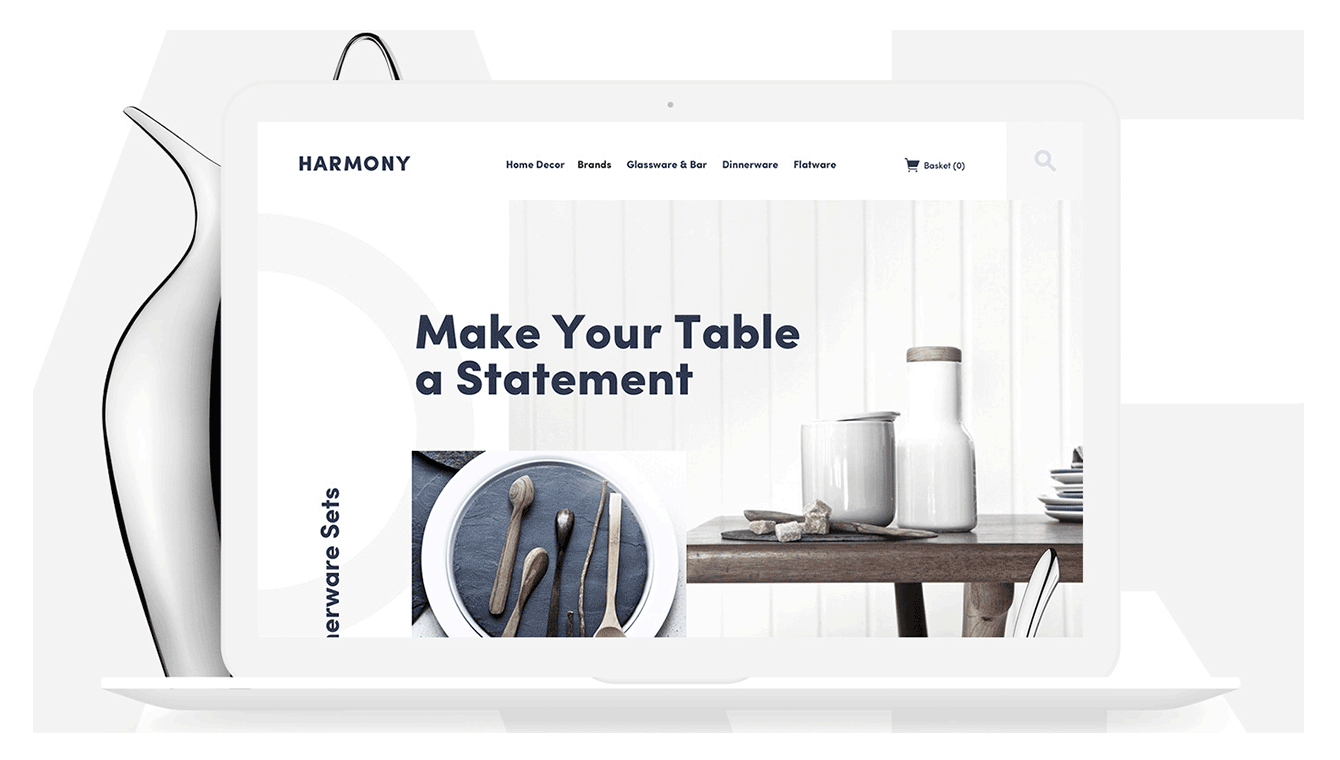
Here are some tips for app designers who want to help your business create the next big hit. Navigation should be simple and easily accessible at all time. User profiles should be easy to view and navigate, and interactive elements should be placed at the same place on all screens. This is how UI/UX design works. You'll be glad that you did.
Navigation should always be available
No matter what your app is used for, navigation should always be easy to access at all times. It should be easy for you to locate your current place and the menus must be visually appealing. If it's difficult to find a way of identifying where the user is, confusion could result. However, visual cues can be used by you to communicate with your users. If you're not sure what these visual cues are, read on for some tips and tricks to make them easier to understand.
Access to user profiles should be simple
Keeping user profiles in your app should be one of the top priorities. Customer satisfaction is maintained by making sure that the information within them is easy to find. It is not a good idea to overload users with pages upon pages of information they don't have to fill in. In addition, you should only collect the information that is absolutely essential to your business and application. It's not a fun task to compile 10 pages worth of data just so you can keep track of the actions of other users.
Interactive elements should be placed at the same place on all screens
Interactive elements should always be in the same place on every screen. They must be easy to find. The focus of a button should be in the same place across all screens. A button that responds to focus should react to a user's click or hover. To ensure screen readers are able to read the new content and notify the context change, buttons that open modal windows or overlays need to be designed with a brief JavaScript timeout. Similar to when an element can close, it should return focus to its button.
Content-first design
The content-first approach to app design starts with a wireframe. This wireframe outlines the content that will be included in the design process. Content-first designs make it easy for users to find and use the content they want. Netflix app and Uber app are examples of content-first app designs. They feature simple layouts and clear navigation. Listed below are some best practices to follow when creating a new app.
Responsive design
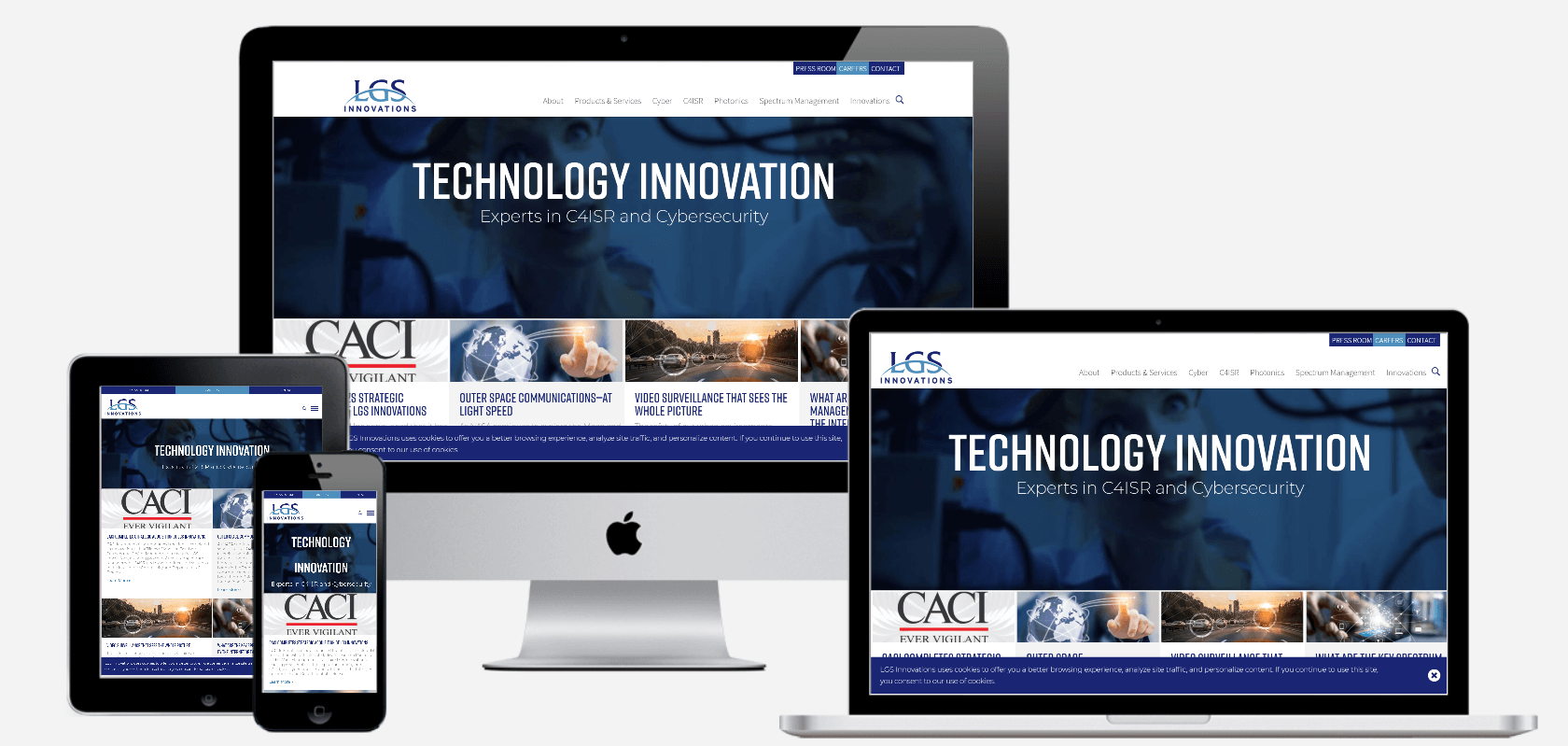
Here are some tips to help you create a mobile app that works on any screen. First, keep in mind that smaller screens display design elements horizontally. Therefore, focus on the important elements, such as headlines, images, quotes, or text blocks. When designing for smaller screens, it will help you prioritize elements that are essential to your design. Designing for larger screens will be much easier once you are proficient in responsive design.

User experience flow
These best practices will help you design the user experience flow when you create an app. Keep in mind that a user's journey begins at a specific location within your app. This way, anyone who wants to subscribe to a newsletter should have an easy way to do it. Also, remember GDPR regulations as they may require an additional screen for EU users. And of course, there's the necessity of the feature.
FAQ
What is a static website?
A static website contains all content stored on a server that visitors can access via web browsers.
The term "static” refers the fact that there is no dynamic feature such as changing images or video, animations etc.
This type of site was originally developed for use in corporate intranets but has since been adopted by individuals and small businesses who want simple websites without the complexity of custom programming.
Because they are easier to maintain, static sites have been growing in popularity. They are simpler to update and maintain than fully-featured websites that have many components (like blogs).
They also tend to load faster than their dynamic counterparts. This makes them ideal for users on mobile devices or those with slow Internet connections.
Static websites are also more secure than dynamic ones. It is difficult to hack into static websites. Hackers only have access the data in a database.
There are two main options for creating a static website.
-
Use a Content Management System (CMS).
-
Create a static HTML web site
Which one you choose depends on your requirements. I recommend a CMS if you're just starting to create websites.
Why? Because it gives you complete control over your website. A CMS eliminates the need for a professional to set up your site. Upload files directly to the CMS.
Still, you can learn to code and create static websites. But you'll need to invest some time learning how to program.
What is Website Design Software and How Does It Work?
Graphic artists, photographers, illustrators, and writers use website design software to create websites and other digital media.
There are two main types of website design software: desktop applications and cloud-based solutions. Desktop apps are installed locally on your computer and require you to install additional software on your computer. Cloud-based solutions are hosted remotely on the internet and require no additional software on your computer, making them ideal for mobile users.
Desktop Applications
While desktop applications have more features than cloud-based options, they're not always needed. Some people prefer to only use a desktop program because it is easier and more convenient. Others like to use the same tool regardless of whether they are working on a laptop or a smartphone.
Cloud-Based Solutions
A cloud-based solution is a good choice for web designers who are looking to save money and time. These services make it possible to edit any type document from anywhere with an Internet connection. You can use your tablet to work while you wait for your coffee brew.
You will still need to buy a license if you choose to use a cloud-based program. You will not need additional licenses to upgrade to a higher version.
You can use these programs to create web pages if you own a copy of Photoshop, InDesign, Illustrator, or another Adobe product.
Do I have to use a template?
Yes! Yes! Many people use pre-built frameworks or templates when creating websites. These templates provide all the code necessary to display information on your site.
Some of the most popular templates include:
WordPress - the most widely used CMS
Joomla – Another popular open-source CMS
Drupal - an enterprise-level solution that large organizations use
Expression Engine - a proprietary CMS from Yahoo
Hundreds of templates are available for each platform, so finding the right one should be easy.
What should I include?
These are the things you should include in your portfolio:
-
You can also see examples of your previous work.
-
If applicable, links to your website
-
These are links to your blog.
-
These links will take you to social media websites.
-
Other designers' online portfolios can be found here.
-
Any awards you received.
-
References.
-
Take samples of your work.
-
Links showing how you communicate with clients.
-
These are links that show you're open to learning new technologies.
-
Links showing that you're flexible.
-
These links show your personality.
-
Videos showing your skills.
Statistics
- It's estimated that in 2022, over 2.14 billion people will purchase goods and services online. (wix.com)
- When choosing your website color scheme, a general rule is to limit yourself to three shades: one primary color (60% of the mix), one secondary color (30%), and one accent color (10%). (wix.com)
- At this point, it's important to note that just because a web trend is current, it doesn't mean it's necessarily right for you.48% of people cite design as the most important factor of a website, (websitebuilderexpert.com)
- Studies show that 77% of satisfied customers will recommend your business or service to a friend after having a positive experience. (wix.com)
- It's estimated that chatbots could reduce this by 30%. Gone are the days when chatbots were mere gimmicks – now, they're becoming ever more essential to customer-facing services. (websitebuilderexpert.com)
External Links
How To
Drupal 7 Web Design Guide
Drupal is the most used Content Management System (CMS) of today. It was created by Dries Buytaert, a Belgian developer. The name derives its name from Dirk Buijtewaard's and Pierre d'Herbemont's initial letters. Drupal was released as an open-source CMS in 2005. There have been many versions of Drupal since then. Drupal is used by numerous websites and companies all over the world today.
There are several reasons why Drupal is so popular among website owners. It's easy to use and free to download. It's easy to customize and extend. It is also very well documented. It also provides excellent support via forums and IRC channels. It is also extensible through modules. Sixth it supports multiple languages. It is easy customizable. It is also scalable. It is also secure. Tenth, reliable. Finally, it is supported by the community. Drupal is the perfect choice for your next projects because of these features.
You might wonder what makes Drupal stand out from other CMS platforms. It is easy to answer. Drupal is an Open-Source Content Management System. This means that it is freely downloadable and completely free to use. Drupal gives you full control over your website. You can add or remove pages, change colors, fonts, images, videos, etc.
Drupal is a good choice if you don't have the technical skills to build a website. Drupal, unlike other CMS, doesn't require you to know programming to build your website. You only need to know how Drupal works. You will then be able modify your website to suit your needs.
Drupal also offers many pre-built themes as well as plugins. These plugins are a great way to enhance the functionality of Drupal. To gather contact information from your visitors, you could use the Contact Form Module. Google Maps allows you to display maps on a website. Drupal comes pre-made in thousands of templates. These templates will give your website a professional appearance.
Drupal's flexibility is another advantage. You can add new modules and even replace existing ones without worrying about compatibility issues. If you are looking to integrate social networks into your website, this is possible quickly. You can also set-up RSS feeds, email subscriptions, etc.
Drupal is extremely customizable. Drupal allows you to add custom fields and forms, manage your users, and many other features. Drupal is capable of creating complex layouts.
Drupal is reliable and robust. Drupal is both stable and scalable. It also offers great security features. Drupal is a solid web development platform.